
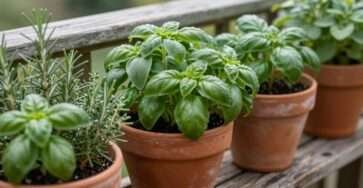
Imagine picking fresh basil right outside your door for tonight's pasta sauce. In tight city spots, many folks dream of…
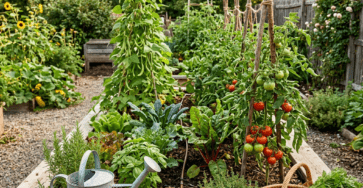
The Complete Guide to Functional Outdoor Growing Setups: Everything You Need to Know
Creating a functional outdoor growing setup is essential for cultivating healthy, productive plants in your garden. Whether you're a seasoned…
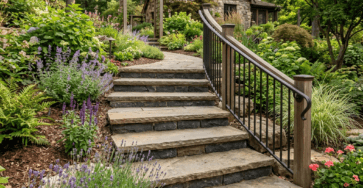
Best Practices for Building Safety Garden Steps
Creating garden steps that are both safe and aesthetically pleasing involves careful planning, material selection, and adherence to safety standards.…
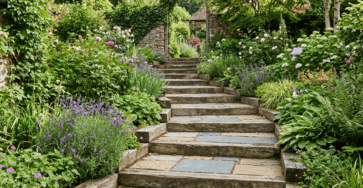
Top 5 Garden Step Materials: Pros and Cons
Creating a functional and aesthetically pleasing garden path or set of steps enhances your outdoor space's accessibility and visual appeal.…
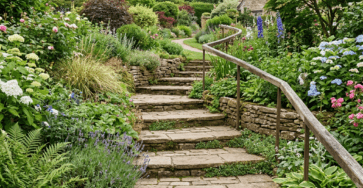
10 Stunning Garden Step Designs to Inspire You
Garden steps are more than just functional elements; they serve as architectural features that can transform your outdoor space. Whether…
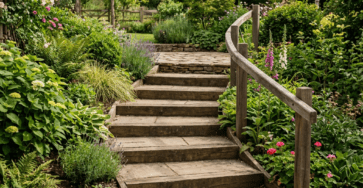
The Complete Guide to Garden Steps: Design, Materials, and Safety
Garden steps are more than just functional elements; they are integral to the aesthetic and safety of your outdoor space.…
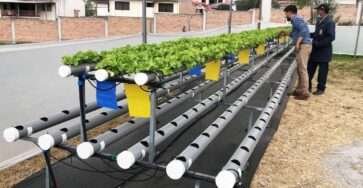
Maximizing Small Spaces with PVC Pipes: Smart & Creative Ideas for Stunning Results 100%
Maximizing small spaces can feel like a challenge, but with the right approach, even the tightest areas can be transformed…
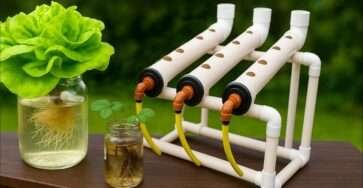
Easy Hydroponics at Home: How to Prepare Your Nutrient Solution
Growing your own fresh produce doesn't require a backyard or a green thumb; in fact, it doesn't even require soil.…
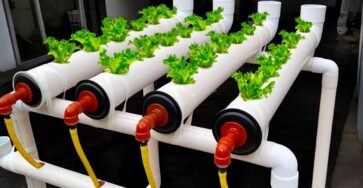
All the Secrets to Make Easy Hydroponics at Home
Growing your own fresh produce doesn't require a backyard or a green thumb; in fact, it doesn't even require soil.…
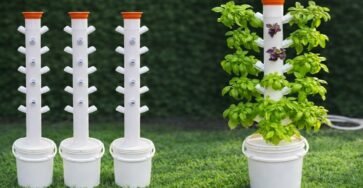
How to Build a Quick DIY Vertical Hydroponic System in Small Spaces
Sustainable urban gardening is easier than ever with vertical hydroponics. Based on the expert tutorial from MiradasBiologicas, this article outlines…
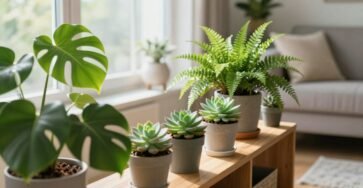
How to Revive Dying Potted Plants
How to Revive Dying Potted Plants is a question many indoor and balcony gardeners ask when their once-healthy plants start…
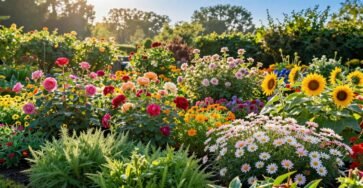
Why Are My Plants Not Flowering?
Every gardener dreams of a vibrant backyard filled with colorful blossoms. It feels rewarding to see your hard work turn into a beautiful sea of petals. However, nature does not always follow our plan. Understanding plant care is the first step toward fixing this common garden mystery. Many factors like sunlight, water, and soil nutrients play a huge role in how your garden grows. Even small changes can make a big difference for your greenery. We want to help you figure out why those buds haven't appeared yet. This guide explores the reasons why your favorite plants not flowering might be taking a break. Let's look at some simple fixes to get your garden back on track today. Growing things should be fun and stress-free for everyone across the United States. By checking a few basic needs, you can encourage new growth quickly and enjoy the view. Let's dive into the details and solve this gardening puzzle together. Understanding Why Plants Not Flowering Is Such a Common Problem Plants not flowering can be a puzzling problem, but understanding the underlying causes can help resolve it. Many factors contribute to a plant's ability to bloom, and identifying these can be the first step towards encouraging your plants to flower. The Science Behind Plant Flowering Plant flowering is a complex process influenced by a combination of genetic, environmental, and nutritional factors. Hormones play a crucial role in regulating flowering, with auxins, gibberellins, and ethylene being key players. The balance of these hormones is affected by factors such as light exposure, temperature, and nutrient availability. For instance, the photoperiod, or the length of daylight, is a critical factor for many plants. Some plants are short-day plants, flowering when daylight hours are short, while others are long-day plants that flower when daylight hours are long. Understanding these requirements can help gardeners provide the right conditions for their plants to bloom. Common Signs Your Plant Should Be Blooming But Isn't If your plant is healthy and mature but not producing flowers, there are several signs to look out for. Check for vigorous foliage growth, as this can indicate that the plant is receiving too much nitrogen. Also, inspect the plant for any signs of stress or disease, which can divert the plant's energy away from flowering. Another indicator is the presence of flower buds that fail to open. This could be due to environmental stressors such as extreme temperatures or insufficient light. By identifying these signs, gardeners can take corrective action to encourage their plants to bloom. Light-Related Issues Preventing Flowers One of the most critical factors affecting a plant's ability to flower is light exposure. Plants require light to undergo photosynthesis, which is essential for their growth and development. However, both insufficient and excessive light can hinder a plant's ability to bloom. Insufficient Sunlight Exposure Insufficient sunlight is a common issue that prevents plants from flowering. Most flowering plants need a certain amount of direct or indirect sunlight to produce blooms. How Much Light Different Flowering Plants Need Different plants have varying light requirements. For example, plants like orchids and African violets can thrive in low-light conditions, while plants such as roses and sunflowers require full sun to bloom well. Understanding the specific light needs of your plant is crucial.…